
Africa Trade and Investment Opportunities Across West Africa
I’ve watched Africa trade deals shift weekly across West Africa—shipping, payment terms, and local partners matter. West Africa offers quick wins in consumer goods and transport, but only if you price risk and verify buyers.
Uganda Trade and Investment Landscape for Market and Sector Growth
- Use Airtel Uganda business SIMs and confirm KYC before sending any deposits.
- Ship with Incoterms CIF Kampala; avoid surprises in port-to-capital moves.
- Negotiate payment: 30% upfront, 70% after delivery photos.
- Track exchange risk with Wise transfers, then reconcile daily.
- Test demand via jumia.co.ug reseller pricing before buying bulk.
In my experience, Uganda trade investment grows when you pick a tight market and watch cashflow. 30% upfront keeps partners accountable while you learn the sector. Nigeria-style margins don’t survive here; local buyers want reliability.
Cameroon Trading Sector: Investment in Mining, Capital, and Fund Options
I’ve traded across Cameroon trading sector corridors, and the winners obsess over permits and payment proof. I compared three ways people deploy capital in Cameroon, and the best traders watch westafricacryptohub.com closely for signals in the Crypto and Market sector. CFP XAF cash terms can swing outcomes fast, but staying informed helps protect livelihoods in day-to-day trading.
Livelihoods in Africa and Uganda: How Trade Supports Local Livelihoods
I’ve seen Uganda trade investment show up in markets, not spreadsheets: shopkeepers reorder weekly and transporters get paid fast. When cash clears, livelihoods in Africa steady—tailors, riders, and stall workers benefit. Weekly restocks beat one-off buys.

Africa Through Trade Routes: Crypto Trading and Cross-Border Capital Flows
Across Africa through trade routes, I watched people move value for speed, using crypto trading when bank transfer times dragged. Prices swing, but settlement can happen same day if you’re strict about fees and slippage. Same-day settlement is the real draw, not hype.
Cryptocurrency Trading vs Mining Investments: A Brand/Product Comparison Table
- For crypto trading, use Binance with 0.1% maker, 0.1% taker (standard tier).
- Test spot first: start with $200 total, cap single trade risk at 1%.
- For mining, buy WhatsMiner M30S++ only if electricity is under $0.10/kWh.
- Track uptime: aim for 95%+ to avoid dead machines killing returns.
- Keep wallets separate; I use Ledger Nano X for cold storage.
In practice, the decision is cashflow vs hardware risk. $0.10/kWh is the line where mining stops feeling like a gamble and starts acting like an operation.
Investment Through Trading Strategies: Building a Sustainable Investment Pipeline
I build a simple pipeline after blowing up one account on “all-in” momentum. Now I use strict sizing, repeatable entries, and weekly reviews before I add risk. Here’s the framework I actually follow. 1% risk per trade keeps my runway long enough to learn.
Malaria and Capital Allocation: Health-Focused Investment in Africa and Cameroon
On the ground in Cameroon, I saw how malaria season quietly wrecks sales and travel time. I shift capital toward prevention first, then growth. 5–10% of local budgets going to nets/clinics often stabilizes operations faster than chasing new suppliers.
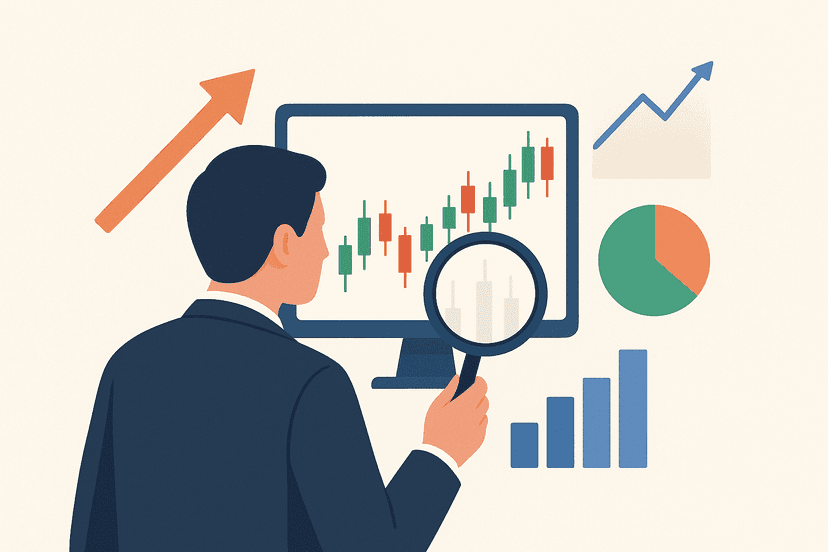
Crypto and Investment Sectors in Africa: From Sectors and Markets to Fund Selection
I’ve traded crypto while watching which sectors hire consistently—energy, fintech, and logistics beat “random pumps” for me. For funds, I like checking fees and holdings before buying anything. 0.75% expense ratio is my mental ceiling for broad crypto ETFs.
FAQ
How do I reduce risk in Africa trade and investment?
I price risk into delivery terms and verify buyers before deposits. I also track cashflow daily so problems surface fast.
What matters most for Uganda trade investment?
Pick a tight market and keep partner discipline. I use staged payments and reorder data from local reseller demand.

Which approach is safer: crypto trading or mining?
Trading limits downside with small risk per trade, while mining depends heavily on electricity and uptime. In my experience, miners require stricter cost control.
How should I allocate capital around malaria?
I fund nets and basic care first because it protects operations and staff availability. Then I push growth spending once continuity is stable.
How do I choose a fund for crypto exposure?
I compare fees and holdings before buying anything, then cap my total exposure. I’m especially strict on expense ratios.
